Roofing in Jacksonville Beach, FL
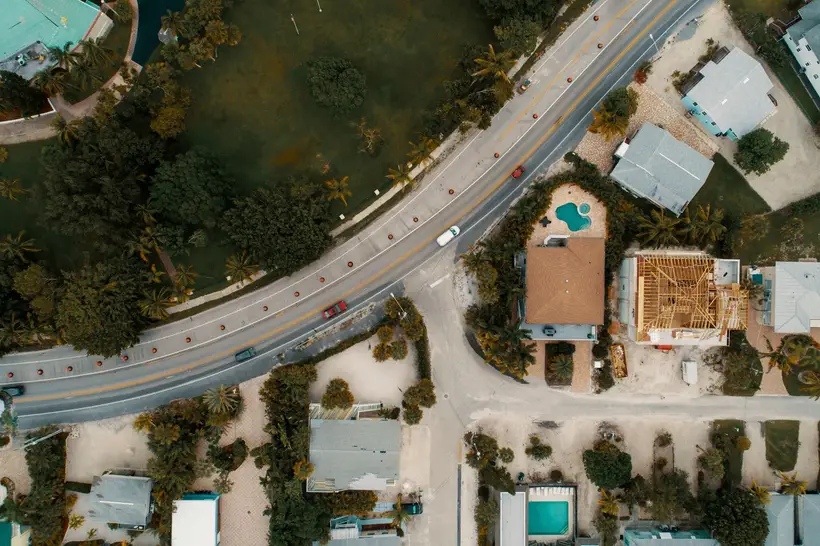
Roofing in Jacksonville Beach is shaped by the ocean. Homes here sit within a few blocks of the Atlantic, so they deal with salt spray, sand, strong onshore wind and the full force of coastal storms. A roof that would last for decades inland can wear faster at the beach, and the details that matter most are the ones salt and wind attack first.
What the coast does to a roof
Three things set beach roofs apart:
- Salt. Salt carried on the wind settles on every surface and speeds up corrosion. Exposed fasteners, metal flashing, roof vents and metal panels are the first to show it, often as rust streaks or loose screws.
- Wind. Onshore wind is stronger and more constant near the water. It works at shingle edges, ridge caps and any flashing that isn’t fully sealed.
- Coastal storms. When a nor’easter or a tropical storm moves along the coast, the beach gets the highest winds and the most wind-driven rain. Even storms that stay out at sea can push water and wind onto exposed roofs for days.
Homes at the beach
Jacksonville Beach has a mix of older cottages, mid-century block homes, newer two- and three-story builds on narrow lots, and townhomes and condos. Many newer homes have metal roofs or architectural shingles with steep pitches. Older cottages often have low-slope sections and roofs that have been patched over the years as the coast took its toll.
Tall, narrow homes catch more wind on their upper roof sections, and flashing where the roof meets walls and decks takes a beating. We check those transitions closely on every visit.
Choosing materials for the coast
We’ll usually talk through two main options at the beach:
- Standing seam metal, with a coating and fasteners suited to a salt environment. It sheds rain quickly and handles wind well when it’s attached correctly.
- Architectural shingles rated for high wind, with corrosion-resistant nails and flashing. They cost less up front and are easier to repair after a storm.
Either way, the small parts matter as much as the main material. Fasteners, flashing and vents rated for the coast are what keep a beach roof sound.
Our services in Jacksonville Beach
- Roof repair. Leaks, rusted fasteners, flashing and wind-lifted shingles, traced and photographed.
- Roof replacement. New metal or shingle roofs built for the coast, with the city permit filed.
- Storm damage roof repair. Inspections and temporary covers after nor’easters and tropical storms.
- Roof insurance claims. Dated photos, a report and an itemized estimate.
Getting started
A free inspection gives you a clear picture of how your roof is holding up against the coast. We also cover roofing in Jacksonville and roofing in Orange Park inland.
Services in Jacksonville Beach
- Roof replacement: Roof replacement in Jacksonville for shingle, metal and tile roofs, with the permit, inspections and a line-by-line estimate handled.
- Roof repair: Roof repair in Jacksonville for leaks, wind-lifted shingles, failed flashing and rusted fasteners, traced to the cause and photographed.
- Storm and hurricane damage: Inspections after nor'easters, tropical storms and hurricanes, with dated photos, a written report and temporary covers where water is getting in.
- Insurance claim documentation: Dated photos, a written damage report and an itemized repair estimate to support your roof claim. Your insurer decides the claim.
Questions homeowners ask
Who handles roofing permits in Jacksonville Beach?
The City of Jacksonville Beach has its own Building Inspection Division, separate from the City of Jacksonville, with its own roof permit application. We file with them for homes inside city limits.
Does salt air really shorten a roof's life?
It speeds up corrosion on anything metal, including fasteners, flashing, vents and metal roof panels. Choosing materials and fasteners suited to the coast, and checking them regularly, makes a big difference.
Is metal a good choice this close to the ocean?
It can be, as long as the metal, the coating and the fasteners are suitable for a coastal setting and the panels are attached correctly. We'll talk through the options against shingle for your home.