Roofing in Jacksonville, FL
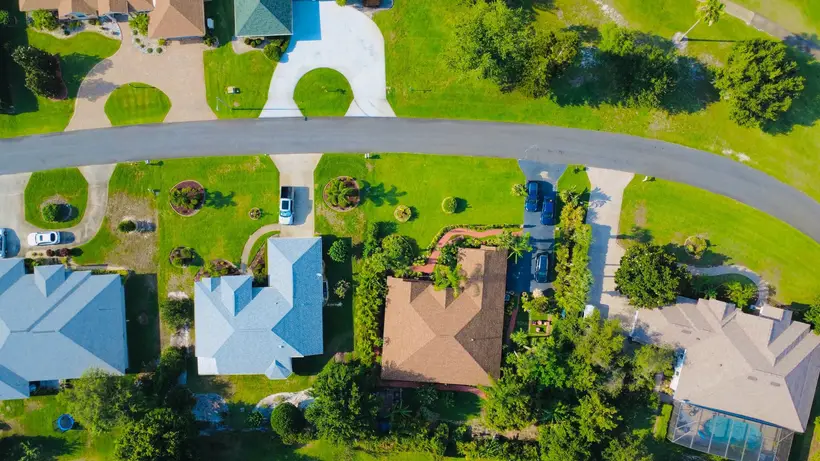
Roofing in Jacksonville means working across a lot of ground. The city covers most of Duval County, so in one week we might be on a 1920s home in Riverside, a block ranch in Arlington and a two-story build off Baymeadows that’s barely ten years old. Each one has its own weak points, and the first job on any visit is working out which roof we’re dealing with.
Older neighborhoods near the river
Riverside, Avondale, Springfield and San Marco are full of homes built long before current wind codes. Many have been reroofed several times, and some still have the original plank decking under newer layers. Porches, sunrooms and additions often have low-slope sections that need a different material than the main roof. These houses reward a careful inspection, because the surprises are usually under the surface.
Mature oaks are part of the charm in these neighborhoods, and part of the risk. Branches rub on shingles, leaves pack gutters and valleys, and a heavy limb in a storm can go straight through a roof.
Mid-century ranches
Arlington, the Westside and parts of Mandarin have a lot of concrete block and frame ranch homes with simple gable or hip roofs. They’re usually straightforward to reroof, but the roof-to-wall connections and the edges are worth a close look. That’s where older homes most often fall short of what the current code expects, and where wind gets its first grip.
Newer subdivisions
The Southside and the developments off the Beltway are mostly architectural shingle on younger roofs. Work there is more often repair and storm inspection than full replacement, though roofs installed in the building boom of the early 2000s are now reaching the age where insurers start asking questions.
Weather that tests a roof
Jacksonville gets a bit of everything. Summer brings near-daily afternoon storms and long humid stretches. Tropical systems can bring wind and rain from June through November. Nor’easters, especially in the fall and winter, can drive onshore wind and rain along the coast and up the St. Johns River for days. Sun dries out sealants and pipe boots, rain finds every gap, and wind works at the edges.
Our services in Jacksonville
- Roof replacement. Full tear-off, decking repaired where needed, new underlayment and roof covering, with the permit and inspections handled.
- Roof repair. Leaks traced to the source, flashing, pipe boots, lifted shingles and fasteners, with photos and a written price.
- Storm damage roof repair. Inspections after a blow, temporary covers and repairs once the damage is documented.
- Roof insurance claims. Dated photos, a written report and an itemized estimate for your claim.
Booking a look
Every job starts with a free inspection and a report you can keep. We also cover roofing in Orange Park to the south and roofing in Jacksonville Beach on the coast.
Services in Jacksonville
- Roof replacement: Roof replacement in Jacksonville for shingle, metal and tile roofs, with the permit, inspections and a line-by-line estimate handled.
- Roof repair: Roof repair in Jacksonville for leaks, wind-lifted shingles, failed flashing and rusted fasteners, traced to the cause and photographed.
- Storm and hurricane damage: Inspections after nor'easters, tropical storms and hurricanes, with dated photos, a written report and temporary covers where water is getting in.
- Insurance claim documentation: Dated photos, a written damage report and an itemized repair estimate to support your roof claim. Your insurer decides the claim.
Questions homeowners ask
Who issues roofing permits in Jacksonville?
The City of Jacksonville's Building Inspection Division handles permits for the consolidated city, and it requires permit applications to be submitted online. Jacksonville Beach runs its own department. We confirm which office covers your address and file the permit ourselves.
Do you work on the older homes in Riverside and Avondale?
Yes. Older homes there can have board decking, several layers of past roofing or low-slope sections over porches and additions. We check all of that before we price anything, so the estimate reflects what's actually there.
How fast can you get to a leak?
Active leaks get priority. We aim to get a temporary cover on quickly, then come back for the full repair once we've traced where the water is coming in.