Storm Damage Roof Repair in Jacksonville
Inspections after nor'easters, tropical storms and hurricanes, with dated photos, a written report and temporary covers where water is getting in.
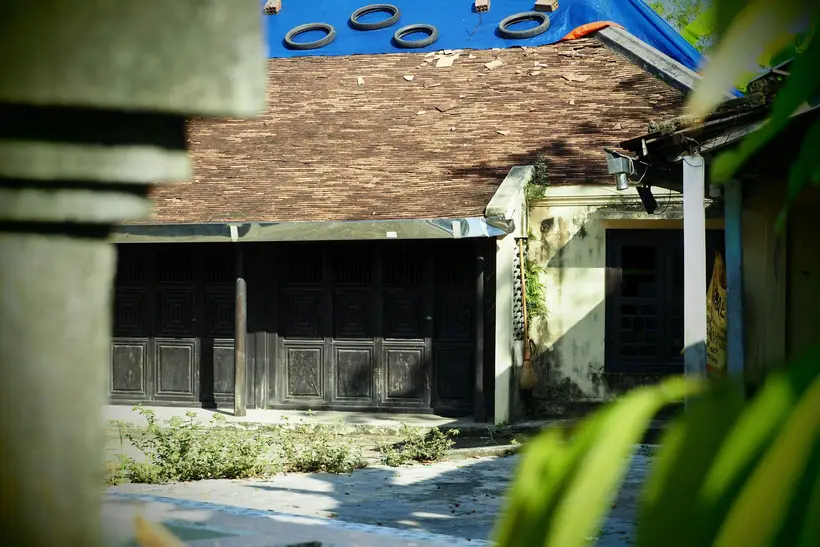
Storm damage roof repair in Jacksonville covers more than hurricanes. Tropical systems get the headlines from June through November, but nor’easters can push strong onshore wind along the coast and up the St. Johns River for two or three days at a time, often with flooding at high tide. Both kinds of storm lift shingles, loosen flashing and drop branches, and both leave damage that’s easy to miss from the ground.
What wind does to a roof
Wind doesn’t usually tear a roof off in one piece. It works at the edges and at anything that’s already loose:
- Shingle tabs get lifted until the seal underneath lets go. They often lie back down, so the roof looks normal, but the next rain gets under them.
- Ridge caps and hip shingles, which sit at the highest and most exposed points, crack or blow off.
- Flashing at walls and chimneys gets pulled away from the surface, leaving a gap for wind-driven rain.
- Metal panels flex at the fasteners, and loose screws start to work their way out.
- Branches and debris scrape, puncture or crack the roof covering, and in a bad storm a limb can go through the deck.
Some of this shows up as a leak the same night. Much of it stays hidden until a heavy summer rain weeks later.
Our storm inspection
When you call after a storm, we look at the whole roof, not just the spot you noticed. That means every slope, the ridges and hips, the edges, each penetration and the gutters. If we can get into the attic, we check there for daylight, wet decking or water trails.
Every sign of damage is photographed and dated, along with wider shots that show where on the roof it is. You get a written report that describes what we found, slope by slope, and an itemized estimate for the repair. If the roof came through the storm without damage, the report says that, which is useful to have on file as well.
Temporary protection
If we find an opening, missing shingles or a hole from debris, the first job is keeping water out. We secure a temporary cover over the damaged area and photograph it in place. That protects your insulation, ceilings and decking while the claim and the permanent repair are worked out, and it’s the kind of step insurers generally expect a homeowner to take to prevent further damage.
The permanent repair
Once the damage is documented and you’ve decided how to proceed, we schedule the repair. Smaller jobs might be a section of shingles, new ridge caps or resealed flashing. Larger ones can mean replacing a full slope, or the whole roof if the damage is widespread. Florida law requires a permit before a building is repaired, and after a declared emergency some local departments set up special post-storm permitting. We file with the department that covers your address.
If you’re filing a claim, read how we approach roof insurance claims documentation. We document the damage and price the work. Your insurer decides what the policy covers.
Getting ready for the next one
A roof in good repair handles a storm far better than one with existing weak spots. Clear gutters, trimmed trees and a quick inspection before the season starts do more than anything you can do once a storm is on the way.
We inspect storm damage throughout Jacksonville, Orange Park and Jacksonville Beach. Our guide to roof damage after a storm goes through the first steps to take once the wind dies down.
Where we work
- Storm and hurricane damage in Jacksonville, FL
- Storm and hurricane damage in Orange Park, FL
- Storm and hurricane damage in Jacksonville Beach, FL
Questions homeowners ask
How soon after a storm should I have my roof inspected?
As soon as it's safe and the wind has dropped. Damage that is photographed and dated close to the storm is easier to connect to it later, and a temporary cover stops a small opening from soaking the deck and insulation.
How long do I have to report storm damage to my insurer?
Under Florida law, notice of a property claim has to be given within one year after the date of loss, and a supplemental claim within 18 months. Your policy may ask for prompt notice too, so it's best not to wait.
Should I get on the roof to look for damage?
Please don't. Wet shingles, loose debris and weakened decking make a damaged roof dangerous. Take photos from the ground and from inside, and leave the roof to someone with the right equipment.
Do you put tarps on roofs?
Yes. When we find an opening or missing material, we secure a temporary cover so water stays out until the permanent repair is done. The tarp is photographed and listed in your report.