Roof Damage After a Storm: The First 48 Hours
Harborline Roofing ·
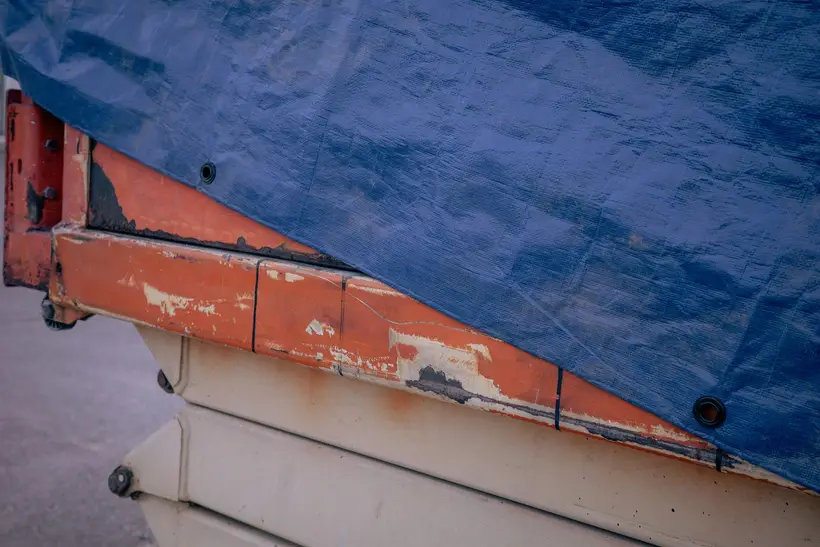
Roof damage after a storm is rarely as obvious as a missing section of roof. In Northeast Florida, most of what we find after a nor’easter or a tropical storm is quieter: lifted shingles, loosened flashing, cracked ridge caps and branches that scraped through the surface. What you do in the first day or two makes a real difference to how much the damage ends up costing. Here’s a practical order of steps.
First, stay safe
Before you look at the roof, look around you:
- Stay away from downed power lines, and report them to the utility.
- Keep off the roof. Wet surfaces, loose material and weakened decking make it dangerous even for professionals without the right equipment.
- If a ceiling is sagging, bulging or dripping heavily, keep everyone out of that room.
- If water is near light fixtures or outlets, turn off power to that area at the breaker if you can do so safely.
Nothing on the roof is worth an injury. A roofer can assess it properly once the weather has passed.
Check from the ground
Walk around the house once it’s safe and look for:
- Shingles, tiles or metal pieces in the yard
- Gaps in the shingle pattern, or shingles that look lifted or out of line
- Damaged or missing ridge caps along the peak
- Dented, bent or pulled-away gutters
- Branches or debris lying on the roof
- Piles of granules at the bottom of downspouts
Binoculars help. Take photos and video of everything as you go.
Check inside
Go through the top floor and the attic if you can reach it safely:
- Water stains, drips or bubbling paint on ceilings and walls
- Wet insulation or decking in the attic
- Daylight coming through the roof deck
- A musty smell that wasn’t there before the storm
Note where each sign is. Water travels, so a stain may be some distance from where the water got in, but its location helps a roofer find the source faster.
Keep water out
If water is getting in, the priority is stopping it. A temporary cover over the damaged area protects the decking, insulation and ceilings until a permanent repair. If you can’t do that safely, call a roofer for an emergency cover.
Inside, move furniture and valuables out of the way, put containers under drips, and run fans or a dehumidifier to start drying things out. Keep receipts for anything you buy or pay for.
Document everything
Clear, dated photos and video are your best record of what happened. Get wide shots of each side of the house and close-ups of every sign of damage, outside and in. Write down the date of the storm and when you noticed each problem.
If you plan to file an insurance claim, remember that Florida law requires notice of a property claim within one year after the date of loss. Your policy may ask for prompt notice, so report it sooner rather than later.
Get a professional inspection
A roofer can find what you can’t see from the ground. A proper storm inspection covers every slope, the ridges and edges, each penetration, the gutters and the attic. You should come away with dated photos, a written report and an estimate for any repairs.
If a roofer shows up uninvited after the storm, check their licence with the state before you let them on the roof, and be wary of anyone offering to cover your deductible or handle your claim. Florida law doesn’t allow either.
When the damage needs a bigger fix
Some storms leave damage that a repair can handle. Others leave a roof with damage across several slopes, or an older roof that’s no longer worth patching. Florida law requires a permit before a building is repaired, and if a quarter or more of an older roof needs replacing, code rules may require the whole roof to be brought up to current standards. A roofer can tell you which applies.
Nor’easters versus tropical storms
The two kinds of storm that hit Northeast Florida leave slightly different marks. A tropical storm or hurricane usually brings a short burst of very strong wind, so damage tends to be concentrated: torn shingles on the windward side, ridge caps gone, debris strikes. A nor’easter is slower. Wind and rain can keep coming from the same direction for two or three days, which gives water time to work under lifted shingles and loose flashing. That’s why leaks after a nor’easter sometimes show up a day or two after the weather clears, and why it’s worth checking the attic again once things have dried out.
Getting ready for the next one
Storms will keep coming. A few habits help a roof handle the next one: keep gutters clear, trim branches back from the roof line, and have the roof looked at before the hurricane season starts and after any storm with sustained wind.
We inspect and repair storm damage across Jacksonville, Orange Park and Jacksonville Beach. See our storm damage roof repair page for how our inspections work, and our roof insurance claims page if you plan to file.
Questions homeowners ask
How can I tell if my roof was damaged if I can't see anything?
Look for shingles or pieces in the yard, granules collecting at downspouts, dented gutters, and stains or drips inside. If the storm brought sustained wind and the roof is older, it's worth an inspection even without obvious signs, because lifted shingles often look normal from the ground.
Is it safe to stay in the house with a roof leak?
Usually, as long as the ceiling isn't sagging and water isn't near electrical fixtures. Keep people out of affected rooms, turn off power to wet areas if you can do it safely, and get the opening covered.
Should I start repairs before the insurer inspects?
Take steps to prevent further damage, like covering an opening, and document everything first. Hold off on permanent repairs until you know how your insurer wants to proceed, unless waiting would cause more damage.