The Best Roof for Jacksonville Weather
Harborline Roofing ·
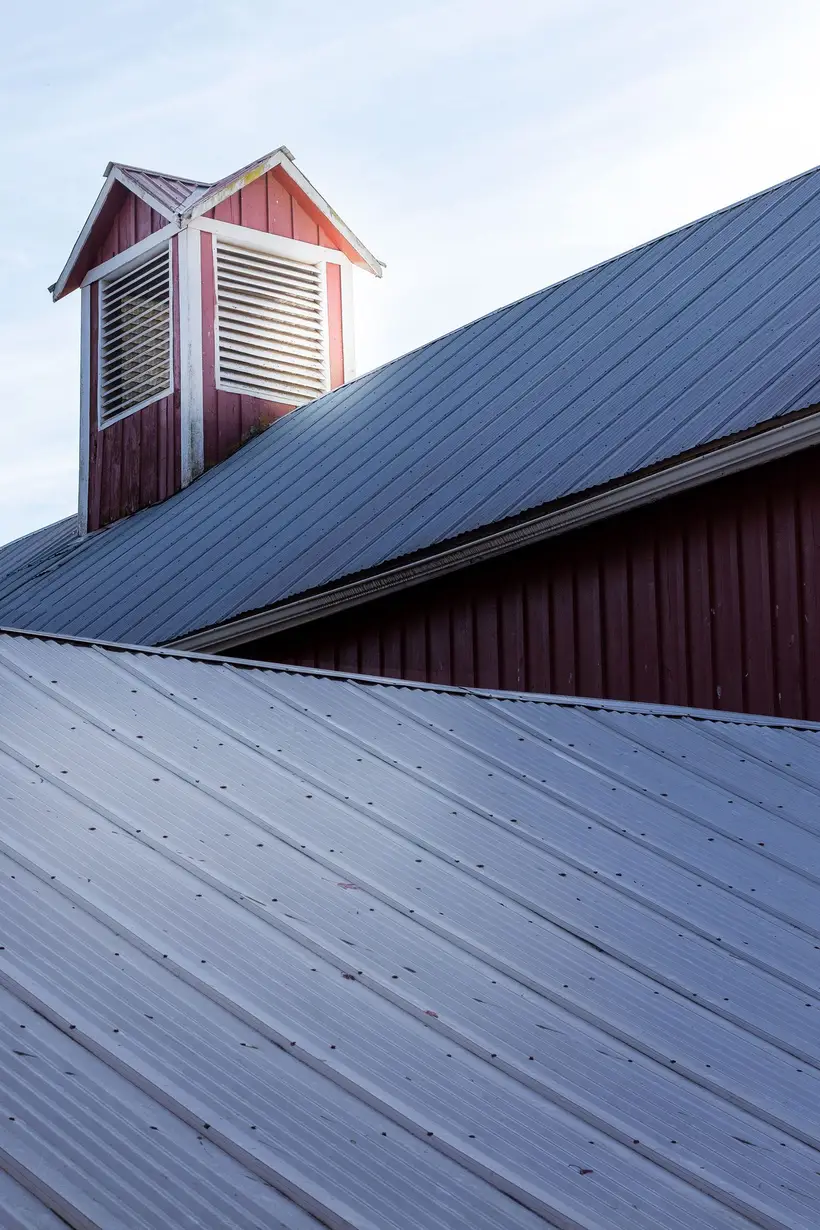
There isn’t one best roof for Jacksonville, but there’s usually a best roof for your house. The right choice depends on what the roof has to handle where you live, how long you plan to stay, the style of the home and your budget. This guide looks at Jacksonville’s weather and how the three common roof types stand up to it.
What a Jacksonville roof deals with
The First Coast puts a roof through a lot in a year:
- Summer rain. Afternoon storms are common through the warmer months, and heavy downpours test drainage, valleys and flashing.
- Humidity. Long humid stretches feed algae and moss, especially on shaded slopes, and moisture in the attic can wear decking from below if ventilation is poor.
- Sun. Strong sun dries out sealants, rubber boots and shingle surfaces over time.
- Tropical systems. The Atlantic hurricane season runs from June 1 to November 30, and even storms that stay out at sea can bring strong wind and rain.
- Nor’easters. Especially in fall and winter, nor’easters can drive wind and rain along the coast and up the St. Johns River for days.
- Salt air. Near the beaches, salt carried on the wind speeds up corrosion on anything metal.
A good roof here has to shed water fast, resist wind at its edges and hold up to sun and salt for years.
Architectural shingles
Architectural shingles cover most of the homes in Jacksonville and Orange Park, and for good reason.
Strengths: lower installed cost, a wide range of colors, quick installation, and they’re easy to repair after a storm because individual shingles can be replaced. Current wind-rated products hold up well when they’re installed with the right nailing pattern and sealed properly.
Weak points: shingle edges are where wind starts its work, and the seal strips can let go in a strong blow. Shingles also lose granules over time, especially under strong sun, which is part of how they age.
Good fit for: most homes, especially when budget matters or when the roof has a lot of valleys, dormers and other features.
Standing seam metal
Metal roofs have become more common across Northeast Florida, particularly near the coast.
Strengths: metal sheds rain very quickly, resists wind well when the panels and clips are attached correctly, and reflects a lot of heat. Standing seam systems hide most of their fasteners, which cuts down on the leak points exposed-fastener metal roofs can develop.
Weak points: a higher installed cost, and the need to pick the right metal, coating and fasteners for your location. Near the ocean, materials not suited to salt can corrode much faster than expected. Metal can also be louder in heavy rain without solid decking and underlayment underneath.
Good fit for: homeowners planning to stay for a long time, homes near the beaches when coastal-grade materials are used, and simple roof shapes.
Concrete and clay tile
Tile shows up on Mediterranean and Spanish-style homes and in some planned communities.
Strengths: tile is very durable, handles sun well and gives a distinct look. The tiles themselves can last a long time.
Weak points: tile is heavy and needs a structure designed to carry it. The underlayment beneath the tile is what usually wears out first, and tiles can crack from impact or foot traffic. Repairs take more care, because matching and setting tile is slow work.
Good fit for: homes built for tile, and owners who want that style. Replacing a tile roof is often a lift and relay: the good tiles come off, new underlayment goes down, and the tiles go back with replacements where needed.
Details matter more than the label
Whatever material you choose, the parts you don’t see do most of the work in a storm:
- Underlayment and a sealed deck keep water out if the roof covering is damaged.
- Edges and drip edge need to be secured well, because wind attacks there first.
- Flashing at walls, chimneys and penetrations has to be installed and sealed correctly.
- Fasteners need to suit the material and, near the coast, resist corrosion.
- Attic ventilation helps manage heat and moisture, which affects how long the roof lasts.
Florida also requires insurers to offer discounts or credits for features that reduce wind damage, such as roof covering performance and stronger roof-to-wall attachment. A new roof built to current code can help with that, so keep your permit and installation records.
A word on gutters and drainage
No roof material helps much if the water it sheds has nowhere to go. In heavy summer rain, gutters that are undersized, clogged or pulled loose overflow at the corners and push water back under the roof edge, where it rots fascia and decking. Whatever you choose, plan the gutters and downspouts along with the roof.
How to decide
Start with an inspection of your current roof, decking and attic. Then compare the options on what matters to you: up-front cost, how long you’ll stay, the look you want, any HOA rules and how close you are to the coast. We’re glad to walk through it with you, and we’ll give you itemized prices for more than one option if you’d like to compare.
Our roof replacement page explains how we price and run a new roof. We work across Jacksonville Beach, Jacksonville and Orange Park.
Questions homeowners ask
Does a light-colored roof keep a house cooler?
Lighter and reflective roof surfaces absorb less of the sun's heat, which can help keep the attic cooler in summer. How much it helps depends on your attic ventilation and insulation, so we look at those at the same time.
Can I switch from shingles to metal?
Usually, yes. Metal can go on most homes that currently have shingles. It needs to be designed and attached for the home's wind exposure, and in some neighborhoods an HOA may have rules about roof materials or colors.
How long will a new roof last here?
It depends on the material, the installation and how close you are to the coast. What matters most is a sound installation and regular checks after storms, which catch small problems before they shorten the roof's life.